Illustrative storyFamily financesMoney Stories
How I manage my moneyProtecting long-term saving through a financially uneven year
Naomi, a 47-year-old doctor from Cheltenham, balances her career following a divorce. With an annual income of £96,400, she manages a £1,360 monthly mortgage and £7,000 in accessible cash reserves, while striving to maintain her child’s £180 monthly activity budget and navigate complex, unpredictable legal costs.
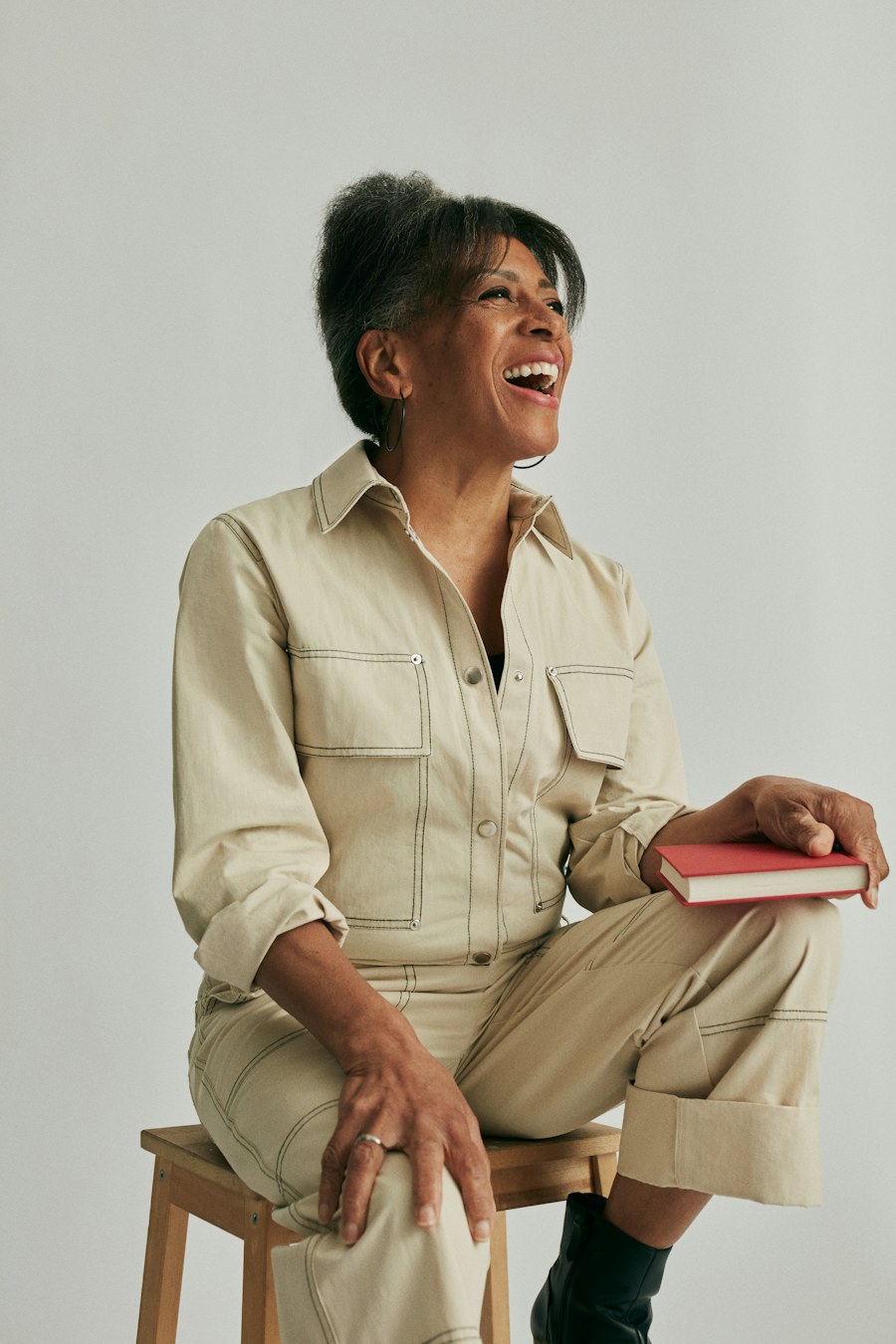
- NameNaomi
- Age47
- LocationCheltenham
- OccupationDoctor
- Annual Income£96,400
- AccommodationOwn home with mortgage
- Relationship statusDivorced
The fatigue of the transition
The past year has been a blur of professional responsibilities and the personal exhaustion of a divorce. Returning to the clinic after a long day, my primary focus is holding everything together for my child. I have £7,000 in accessible cash, which acts as my safety net, but it feels fragile against the looming uncertainty of legal costs that I simply cannot predict.
Prioritising the present
My child’s activities are the last thing I want to compromise. I have ring-fenced £180 monthly for those clubs and lessons. It is a non-negotiable expense in my mind, even as my mortgage of £1,360 pulls at the rest of my budget. I know I should probably be thinking about my pension contributions, but I am so tired that making any major structural change to my long-term savings feels like a risk I cannot take right now.
The illusion of high income
People see my salary and assume that my finances are bulletproof. They do not see the weight of the legal fees or the way my monthly outgoings have shifted since the house became a single-income household. My £96,400 annual income disappears fast when the living costs are geared for two, and I am operating as one.
When everything feels unpredictable, the only way to protect your future is to be ruthlessly disciplined about your present.
Keeping the records clear
I have started keeping meticulous records of every penny spent, not because I enjoy it, but because I need to see the reality in black and white. It helps me avoid the panic that comes with not knowing where the money went. I am not making big, life-altering financial choices while I am in this state of exhaustion. I am just focusing on the next month, the next bill, and the next school run.
Living in the meantime
I have decided to freeze my optional spending for now. No holidays, no upgrades to the house, no frivolous treats. It is not a permanent state, but it is necessary to protect the cash reserves I have left. I am waiting for the dust to settle before I look at my pension or long-term investments. For now, maintaining the status quo is the only victory I am chasing.
These stories are illustrative scenarios and general information. They are not personalised financial advice.