PensionsMoney Stories
How I manage my moneyI'm 63, widowed and living on £24,800 a year in York
Margaret retired from the civil service two years earlier than planned. She owns her home outright and keeps her budget in a paper notebook. She explains what retirement income actually looks like month to month.
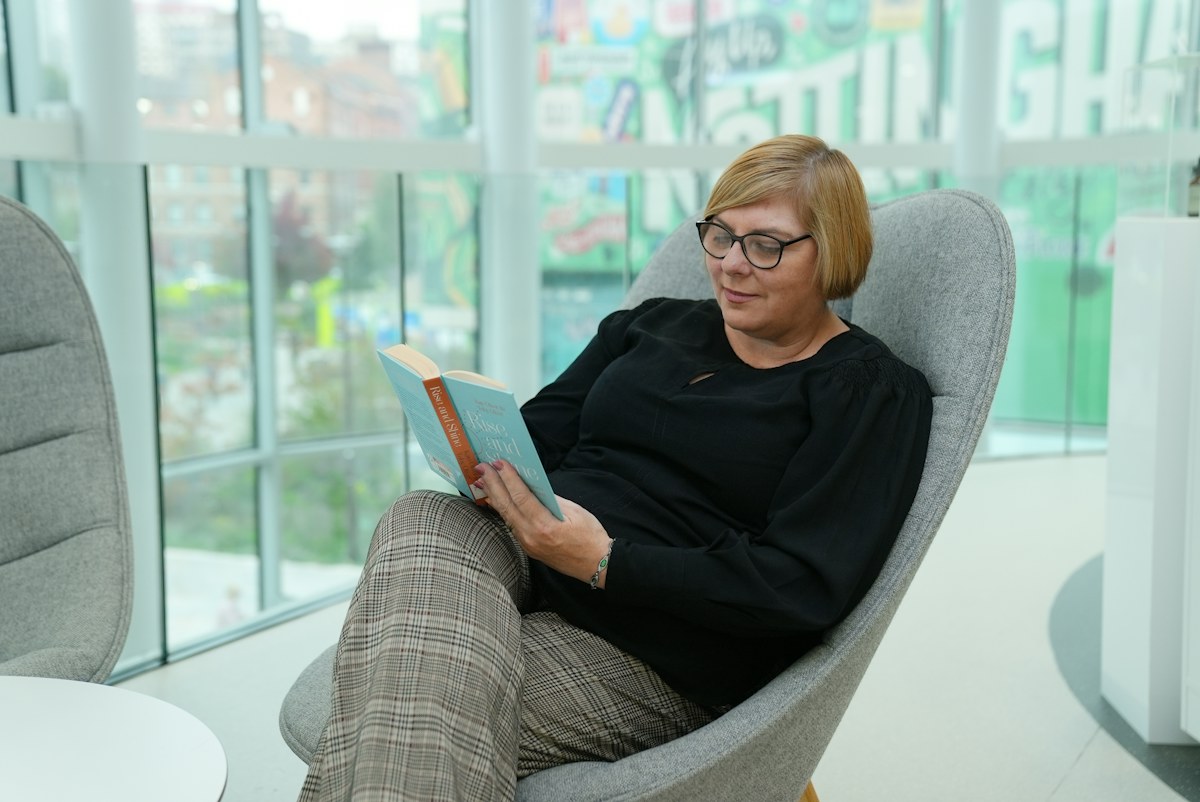
- NameMargaret
- Age63
- LocationYork
- OccupationRetired
- Annual Income£24,800
- AccommodationOwn home no mortgage
- Relationship statusWidow
I am 63 and I live alone in York, in the terraced house my husband and I bought in 1991. He died four years ago. I retired from the civil service two years ago, a little earlier than I had intended.
My income is £24,800 a year, almost all of it from my civil service pension. I will not receive my State Pension until I am 66, so for now this is it.
The notebook
I keep my budget in a paper notebook, a new one each year. Every Sunday evening I write down what I spent that week, by hand. My son thinks this is charming and old-fashioned. I think it is the reason I have never been overdrawn.
Writing it down makes me notice it. I can see at a glance that I spent more on the car in October, or that I bought far too many birthday presents in March.
Retirement income does not grow when you get a promotion. You have to make it fit, and keep making it fit.
What comes in and goes out
After tax, I receive around £1,760 a month. The house has no mortgage, which I know is a privilege. It took us twenty-five years and a lot of overpaying in our forties.
Council tax is my biggest single bill at £165 a month. Energy is about £120, and I pay it by direct debit all year so winter does not frighten me. Food is around £280. I run a small, old car that costs me more in repairs than I would like.
Saving in retirement
People assume you stop saving when you retire. I still put £200 a month aside, mostly for the house. Last year it was the boiler. The year before, part of the roof. A home with no mortgage is not a home with no costs.
I also have some savings from my husband's life insurance, which I keep in a cash ISA. I think of that as my bridge to 66 and my safety net after.
Retiring early
I left two years before I had planned because I was caring for my sister and could not do both. My pension is smaller than it would have been. I knew that when I made the decision and I would make it again.
Before I left I asked for a pension forecast and used the free guidance offered through MoneyHelper. I was not told what to do, but I understood my options, which is what I needed.
I wish someone had sat me down at thirty and shown me what my pension statement actually meant.
What I spend on that I won't give up
A National Trust membership, a weekly swim, and the train to see my grandchildren in Leeds. These are not luxuries to me; they are the point of having saved.
What I'd tell my younger self
Look at your pension long before you think you need to. Overpay the mortgage if you can, because owning the house outright is the single biggest reason my retirement is manageable. And keep a record of what you spend. It does not have to be a notebook, but it helps if it is something you actually look at.
The stories on How I Manage My Money are personal experiences and general information. They are not personalised financial advice.